Optimization is a Trap
We have spent a century optimizing for efficiency—making the machine run faster and cheaper. The “But” is the brittleness of hyper-efficiency. A system optimized for a single variable (like profit or throughput) loses its ability to handle shocks. In a volatile climate, the “perfectly optimized” grid is the first one to collapse. Nature doesn’t optimize for efficiency; it optimizes for resilience.
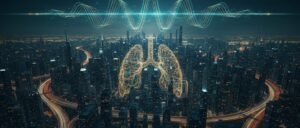
To survive the future, our energy systems must stop acting like machines and start acting like Living Systems.
Therefore: Biomimetic Intelligence
AI allows us to design energy networks that mimic the adaptive strategies of biology. Instead of a rigid hierarchy, we build a fluid, decentralized mesh.
- Mycelial Networking: Just as fungi distribute nutrients across a forest floor based on need, AI distributes energy across a microgrid. If one node (a solar array) goes down, the network instantly re-routes power through alternative pathways, ensuring the survival of the whole.
- Homeostatic Regulation: Living organisms maintain balance (homeostasis) through constant, subtle adjustments. AI does the same for the grid, micro-adjusting voltage and frequency thousands of times a second to absorb the volatility of wind and solar without breaking the system.
- Evolutionary Learning: A living system learns from stress. When a storm hits, AI records the grid’s response and “evolves” its control logic to be more robust for the next event. The system gets stronger with every shock (antifragility).
Commercial Impact: The Economics of Survival
Resilience is the ultimate insurance policy:
- Avoided Catastrophe: The cost of a grid collapse is measured in billions. Investing in a living, adaptive system is a fraction of the cost of recovery.
- Asset Utilization: Living systems use everything. AI ensures that “waste” energy (like excess heat or curtailed wind) is captured and used—perhaps to heat a greenhouse or charge a thermal battery—maximizing the total value of the system.
- Long-Term Viability: Systems that adapt survive. By building infrastructure that can learn and evolve, we protect capital investments from becoming stranded assets in a rapidly changing world.
We are not just building a grid; we are cultivating a nervous system for the planet.